
Financial Skills for Small Business Owners
Eight-month practical program starting August 2026
Running a small business means wearing multiple hats. One day you're talking to suppliers, the next you're dealing with payroll questions. And somewhere in between, you're supposed to make sense of your financials.
This program focuses on the money management skills that matter most when you're juggling everything else. We've built it around scenarios that come up in actual small businesses across Australia—not theoretical textbook situations.
Ask About Enrollment
What You'll Work Through
Six core modules spread across eight months, designed around the financial decisions small business owners face regularly
Cash Flow Reality
Understanding where money actually goes in your business. We look at timing issues, seasonal variations, and how to spot problems before they become urgent. Includes working with real business statements from Australian small enterprises.
Tax Planning Basics
Australian tax obligations for small businesses, including GST, PAYG, and quarterly reporting. We cover what triggers which requirements and how to set aside appropriate amounts throughout the year.
Pricing Decisions
How to set prices that cover your actual costs while remaining competitive. We work through different pricing models and help you calculate what your products or services genuinely cost to deliver.
Growth Investment
Evaluating whether you can afford to expand, hire, or invest in equipment. Practical methods for assessing opportunities without overextending your business financially.
Financial Reporting
Creating reports that actually help you make decisions. Not just for accountants or banks, but for yourself—so you can see what's working and what needs adjustment in your business model.
Working with Advisors
How to communicate effectively with accountants, bookkeepers, and financial advisors. Getting value from professional relationships by knowing what questions to ask and what information to provide.
Who You'll Learn From
Our instructors work with small businesses daily. They understand the difference between textbook advice and what actually works when you're managing limited resources and competing priorities. Both have run their own ventures and helped dozens of Australian small businesses navigate financial challenges.

Callum Breckenridge
Financial PlanningSpent twelve years advising small businesses in regional NSW before joining our team. Started his career in retail management, which gave him a practical perspective on everyday financial decisions. Specializes in cash flow management and pricing strategies.

Petra Lindqvist
Tax & ComplianceFormer small business accountant who understands the reporting side from years of practical experience. Worked with over 200 Australian small businesses on tax planning and compliance. Now focuses on teaching business owners how to handle their own financial planning more confidently.
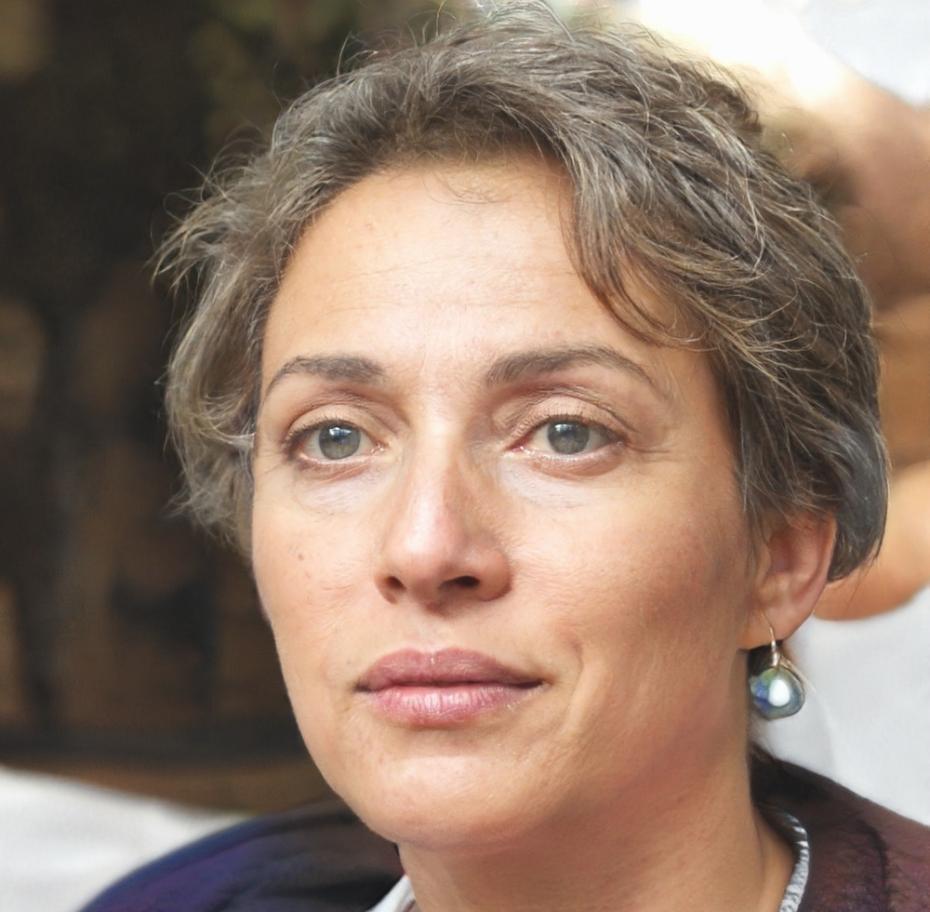
Sienna Ashworth
Business GrowthBuilt and sold two small businesses before moving into education. Her background in hospitality and professional services gives her insight into different business models and their unique financial challenges. Teaches the growth investment and advisor relationship modules.
Program Schedule & Structure
Classes run Tuesday and Thursday evenings, with optional Saturday workshops once monthly for deeper exploration of specific topics

Enrollment Opens
March 2026Applications open three months before start date. We accept up to 24 participants per cohort to maintain a practical, discussion-based learning environment where everyone can contribute.
Program Begins
August 5, 2026First session introduces the cohort and establishes the framework. You'll work through an initial financial assessment of your own business to identify areas you want to focus on throughout the program.
Completion
March 2027Final module covers integration—pulling together everything you've learned into a financial management approach that fits your specific business. You'll leave with a practical plan you can actually implement.